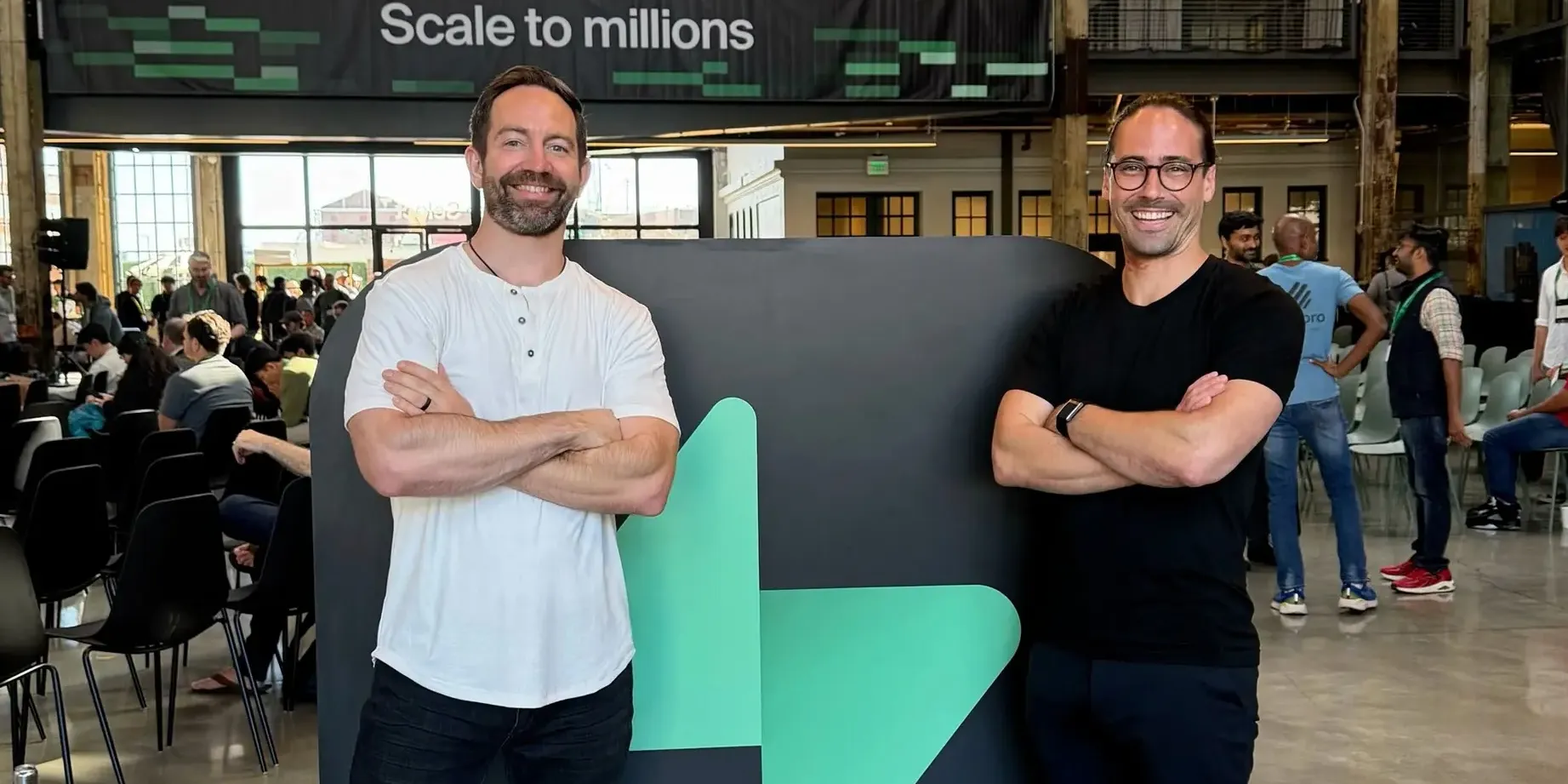
Dreambase, an AI-native analytics platform designed to replace traditional BI stacks with direct database intelligence, announced a $3.7 million seed round led by Felicis, with participation from Active Capital, FirstMile Ventures, Darkmode Ventures, and strategic investors including Supabase, Perplexity, and Cloudflare.
The funding will support product development and expansion of integrations, positioning Dreambase as a unified analytics layer for modern development teams.
Replacing the Analytics Stack
Founded by Andy Keil and Kyle Ledbetter, Dreambase eliminates the need for tracking tools, data pipelines, and warehouses by connecting directly to databases. The platform enables teams to define metrics and generate dashboards, reports, and insights instantly using AI.
The system introduces an AI-native semantic layer, allowing users to define key metrics once and reuse them across all analytics workflows, improving accuracy and consistency.
Built for Modern Developer Ecosystems
Dreambase integrates deeply with Supabase, enabling developers to access real-time analytics without leaving existing environments. The platform’s AI agents understand database schemas and generate accurate queries without requiring manual SQL work.
Scott Buxton, CFO of Supabase said "The AI builders coming to Supabase are moving fast and their data is growing even faster. The teams who find product-market fit and scale are the ones who understand what's happening in their database and across their business, from acquisition to in-product usage. Dreambase gives them that. Agentic intelligence, right inside the ecosystem they're already building in."
Product Capabilities
Dreambase offers automated dashboards, AI-generated reports, database health assessments, and an AI analyst agent for deep analysis. The platform focuses on speed, eliminating delays common in traditional analytics workflows.
Growth and Vision
The company plans to expand integrations with tools such as Stripe and HubSpot, turning databases into a central operational layer. The long-term goal is to become an AI-driven decision system for companies, starting with developer-first ecosystems and scaling across enterprise use cases.