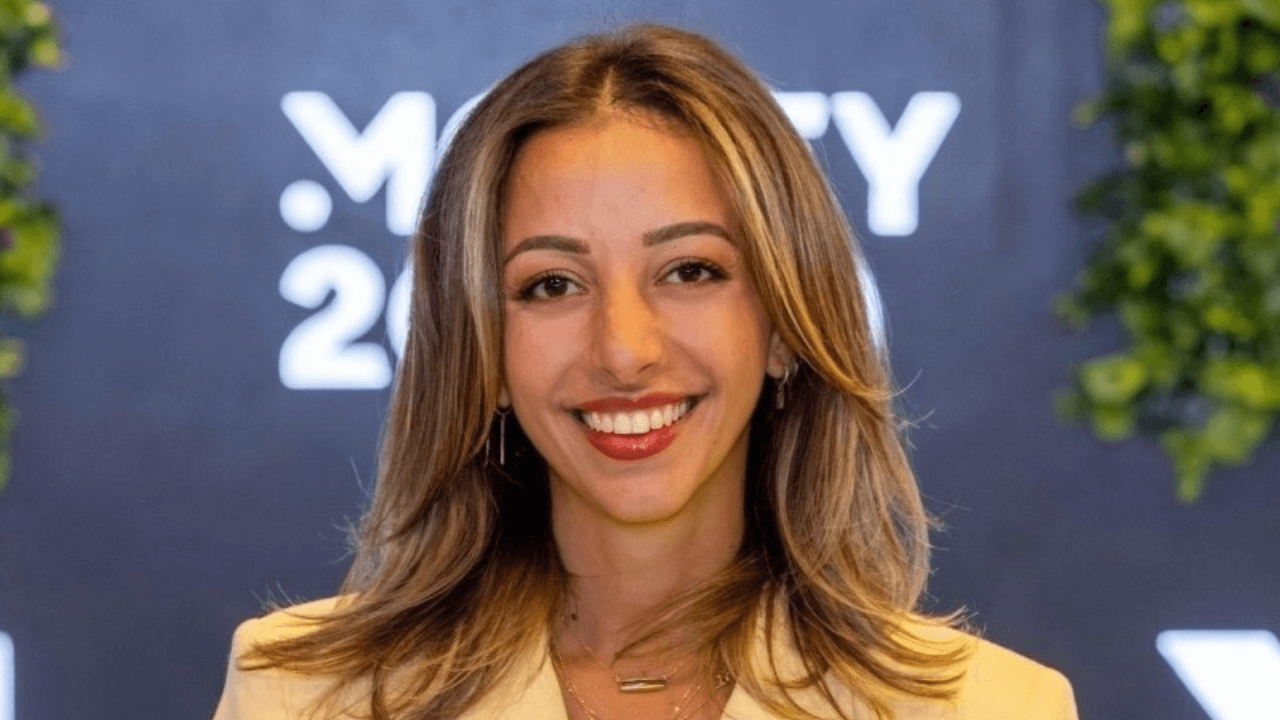
For fintech founders seeking investment, a promising idea and ambitious growth projections may no longer be enough. According to Dalia Kamar, Head of Investor and Startup Program at Money20/20, investors are asking more detailed questions about customer demand, the economics of the business and its ability to compete as it grows.
In an interview with Anna Lebedeva, co-founder of The Top Voices, Dalia explained what makes fintech founders investable, which areas of financial technology she follows closely and how entrepreneurs can make the most of industry events.
Investors Want Evidence Behind Growth Projections
Dalia has observed a shift in how investors assess early-stage businesses. Where founders could previously raise capital based largely on expectations of future growth, they increasingly need to demonstrate that customers want their product and that the business has a credible path to scale. Competition for AI investment has reinforced this trend, with capital concentrated around a relatively small number of companies that investors believe could dominate their respective categories.
For fintech founders, Dalia considers the team’s capabilities, its go-to-market strategy and the competitive advantage created by its technology particularly important. She expects founders to explain why their chosen problem matters, provide evidence of customer demand and demonstrate how their solution could become a profitable business.
“You don’t have to have profit today, but you definitely have to have that path.”
At the same time, Dalia believes investors are becoming more comfortable with longer investment horizons as private markets develop. Secondary transactions, which allow existing investors to sell their stakes before a company goes public, provide early-stage venture capital firms with an additional route to liquidity.
What Makes a Founder Stand Out to Investors
Previous entrepreneurial success can make it easier for investors to assess a founder’s ability to build a company. However, Dalia believes that professional experience outside the startup ecosystem can be equally relevant, particularly in fintech. Founders who have worked within large organisations or government institutions may have encountered the problems they are trying to solve first-hand, giving them a better understanding of the challenges involved in developing new payment solutions, tokenisation products or other financial services.
Having previously led the investor and startup programme at LEAP in Saudi Arabia, Dalia has met thousands of founders across different industries and stages of development.
“The founders I remember aren’t necessarily the most polished or the loudest in the room.”
Those who stand out to her can explain what they are building, why it matters and what makes them particularly well suited to solving the problem. She also pays attention to how founders listen and interact with people who may have little immediate influence on their business. These interactions give her a sense of how entrepreneurs approach professional relationships beyond fundraising.
Where Dalia Sees Opportunities in Fintech
Having grown up in Egypt and spent time in emerging markets, Dalia is particularly interested in startups expanding access to financial services. These include companies helping underserved communities participate in the economy and providing small businesses with access to capital and financial opportunities.
From an investment perspective, she is also following wealth technology and the application of AI to personal financial management.
“I’m really interested in how AI is going to really support people to actually manage their investments, their wealth, their infrastructure, that can really support everyone to become more financially literate with their money.”
Decentralised finance (DeFi) is another area she is watching, particularly its potential to make financial services more accessible and equitable.
Industry Events Can Help Founders Beyond Fundraising
Startups attend Money20/20 for a variety of reasons, including finding investors, securing commercial contracts, developing partnerships, recruiting talent and validating product-market fit.
The event’s Startup Hub brings early- and growth-stage fintech companies together with investors, banks, payment companies and other financial institutions. Its Smart Meets programme helps attendees arrange meetings based on their interests, while dedicated networking events bring together participants from specific fintech sectors.
According to Dalia, companies including Airwallex and Parcha AI have used the Startup Hub to pursue business opportunities and validate product-market fit. Airwallex, she noted, has credited its participation in the Startup Hub with helping it finalise its Series A funding round.
Dalia also recalled a founder from an emerging African market who was developing a financial platform used by women. While attending Money20/20, the founder unexpectedly met an angel investor in a queue for the bathroom. The investor worked in a bank’s transfers and clearing department and could relate to the problem the startup was addressing.
For Dalia, what happens after an introduction is often more important than the meeting itself.
“They know who they want to meet, they actually meet them or someone else, and they make it very clear what the ask is afterwards.”
How Founders Should Prepare for Industry Events
Dalia recommends starting well before the event by reviewing the agenda and identifying relevant attendees. She suggests creating an initial list of around 100 people, narrowing it down to 15-20 priority contacts and establishing why each conversation would be valuable. Founders should also introduce themselves before their scheduled meetings.
During the event, she advises leaving room for informal conversations alongside planned appointments. Smaller sessions, dinners and conversations with fellow founders can lead to unexpected introductions. When speaking with potential investors or business partners, entrepreneurs should ask questions and listen before going into the technical details of their products.
After the event, Dalia recommends sending a personalised follow-up that refers to a specific conversation rather than a generic networking message. Where there is a potential business opportunity, founders should make their request clear and give the other person a reason to continue the conversation.
“Prepare with precision, be open to serendipity, and always follow up with purpose.”
Watch the full interview with Dalia Kamar on The Top Voices YouTube channel.