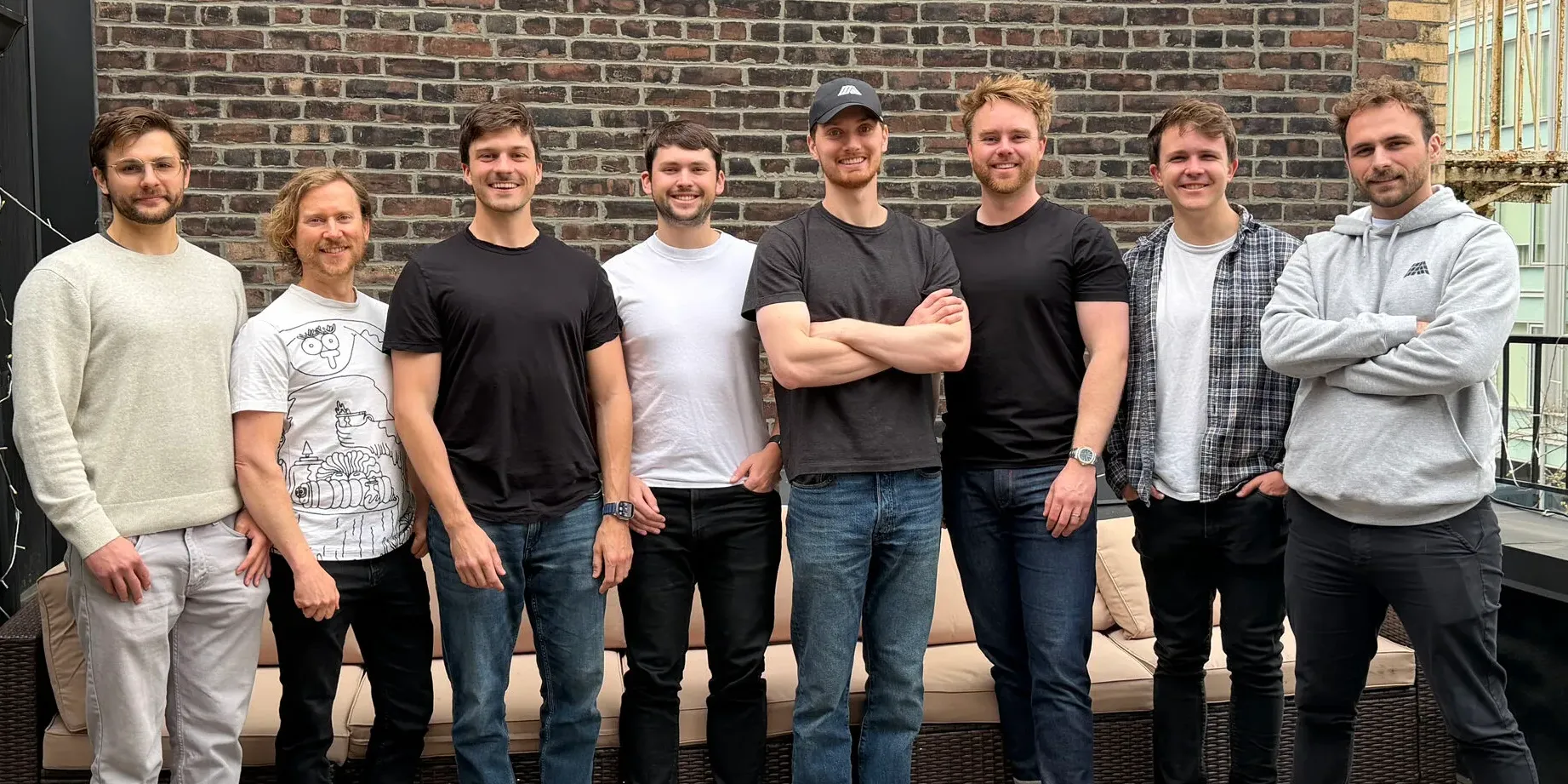
Antioch, a physical AI development platform using simulation and evaluation technology to accelerate robotics and autonomous system development, has raised $32 million in funding. Combined with an earlier $8.5 million round, total funding has reached $40.5 million. Greylock General Partner Saam Motamedi has also joined the board.
“Software-speed innovation in the physical world will be the foundation of the next industrial revolution. We believe Antioch is building the core development platform for this next phase of physical AI.” — Saam Motamedi, General Partner, Greylock
Bringing Software-Speed Testing to Physical AI
Antioch provides a development environment designed to predict whether changes will improve physical AI systems before deployment on hardware. The platform combines hardware, sensors, software, AI models and operating environments within continuously calibrated simulations.
Engineering teams can evaluate perception models, controllers, sensor configurations and mechanical designs across thousands of scenarios. Continuous evaluation also supports synthetic data generation for rare failures, unusual environments and potentially dangerous real-world conditions.
Combining Simulation With Learned Models
Antioch combines classical simulation with data-driven world models. Explicit models represent known elements such as geometry, hardware specifications and physical constraints, while real-world data captures complex sensor behavior, physical interactions and differences between simulated and deployed systems.
The approach creates a real-to-sim-to-real development loop, allowing simulations to improve as additional physical data becomes available and supporting a longer-term transition toward fully learned world models.
Expanding Across Physical AI Applications
Antioch technology supports development across automated manufacturing, drones, autonomous vehicles, robotics and intelligent perception systems. Customers and partners include Amazon and Launchpad Build AI.
“Antioch’s simulations have closely matched our physical test results, including in scenarios we deliberately held out of calibration. That confidence lets us move more testing and development into simulation, reducing reliance on costly physical test programs, accelerating engineering cycles, and allowing our teams to focus on delivering better products for customers.” — Jason Mitura, VP of Software Development at Amazon and Chief Product Officer of Ring
Antioch is also integrating with NVIDIA’s physical AI stack, including NVIDIA Omniverse libraries, NVIDIA Isaac Sim and NVIDIA Isaac Lab, while working with Nebius on high-performance infrastructure for large-scale simulation.