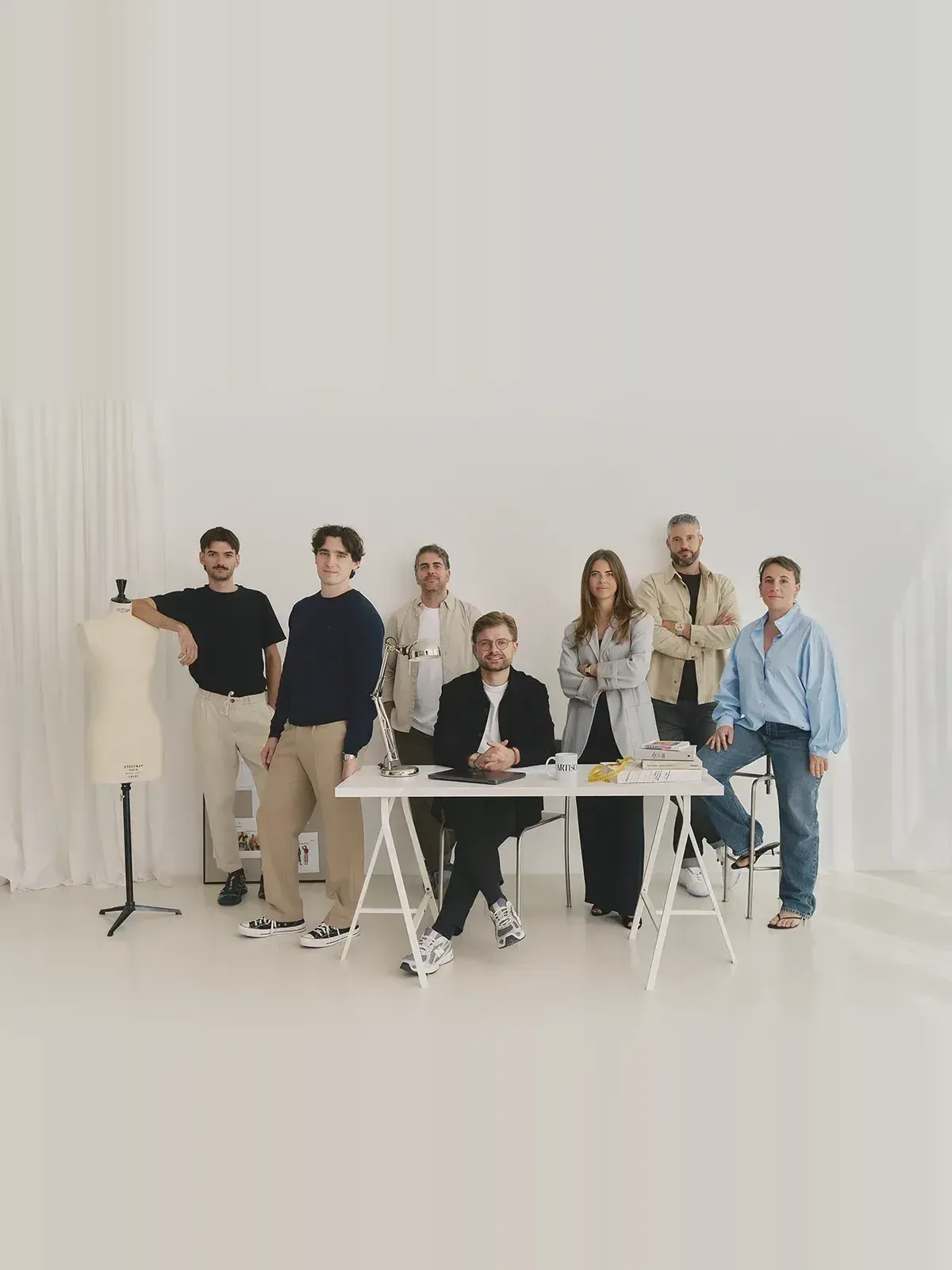
Barcelona-based FashionTech startup ARTISO has raised more than €3 million in an equity pre-seed round to expand its AI operating system for fashion brands. The round was led by Criteria Venture Tech, with participation from Swanlaab Venture Factory and Bynd Venture Capital. Angel investors included David Tomás, co-founder of Cyberclick, and Nicolaj Reffstrup, founder and former CEO of GANNI, who invested through Look Up Ventures.
Founded in Barcelona in 2025 by Sarah Iglesias Hiller (CEO), Lucas Pastur Romay (CPO) and Matthias Brenninkmeijer (CTO), ARTISO develops an AI-native platform designed to connect the different stages of fashion creation. The three co-founders previously worked at Mango and have collaborated since 2022. Their platform brings together creative direction, design, product development and marketing workflows that are traditionally managed across separate software systems.
Connecting Fashion Design and Production Through Agentic AI
Fashion brands typically rely on multiple tools to develop collections, including product lifecycle management systems, design software, spreadsheets, shared drives and image generation platforms. This fragmentation can make it difficult for teams to access previous design decisions, reuse product knowledge and maintain consistency across seasonal collections.
ARTISO addresses these challenges through an AI operating system that connects the process from initial inspiration and moodboards to design, technical development and campaign production. Its platform supports flat sketches, product development, technical specification packs, virtual models, product imagery and marketing content, allowing creative and production teams to work within a shared environment.
At the centre of the platform is a brand-specific knowledge system that incorporates historical collections, bestselling products, seasonal direction and visual guidelines. ARTISO uses this information to generate outputs aligned with each brand’s design identity rather than relying solely on generic AI-generated content.
According to the company, its platform can produce a complete technical specification pack in approximately four minutes, compared with the two to six hours typically required through conventional workflows. ARTISO says this allows teams to explore design concepts, prepare production documentation and evaluate ideas before committing resources to physical samples.
The company emerged from stealth in July 2025 and now works with fashion brands, retailers and manufacturers across Europe, North America and Asia. Its customers range from mid-sized businesses to enterprise brands and luxury fashion houses, although individual customer names and revenue figures have not been disclosed.
Funding to Support Enterprise Expansion and Product Development
The new funding will allow ARTISO to accelerate development of its AI operating system, expand its team and support enterprise deployments among fashion brands. The company is recruiting across fashion and technology disciplines, building on a team with expertise in garment technology, pattern making, design, art direction, motion and data science.
The United States is already a key market for ARTISO, alongside its existing customer base in Europe and Asia. With demand from fashion companies seeking to integrate AI into established workflows, the startup plans to use the investment to support additional customers and scale its platform internationally.
The investment also brings together venture capital firms focused on early-stage technology and investors with direct experience in the fashion industry. Criteria Venture Tech invests in European technology startups, while Swanlaab and Bynd Venture Capital back early-stage companies with international growth ambitions. Nicolaj Reffstrup contributes experience from building GANNI into an international fashion brand.
ARTISO’s approach focuses on integrating AI throughout the fashion development process rather than applying it to isolated tasks such as image generation. With the new capital, the company aims to expand its role in how fashion businesses develop collections, manage creative knowledge and prepare products for production and marketing.
